RECENT MEETINGS
The views and opinions expressed by CSE hosted speakers are those of the presenters and do not necessarily reflect the official policy or position of the CSE. Any content provided by the speakers are of their opinion and are not intended to malign any religion, ethnic group, club, organization, company, individual or anyone or anything.
2023-2024 educational Series
Thank You
June 4, 2024
Thank you to everyone who came out to the CSE's "Sip! Sip! Hooray!" wine tasting event. We really enjoyed spending quality social time catching up with you all! Thank you to our building reps for your support this year and a warm welcome to our new volunteers!
Many thanks go out to CSE Treasurer/Education Committee Co-Chair Lauren Higgins who generously provided the wines we sampled this evening and served as our very own sommelier!
Thank you also to the American Legion Post (venue), Eastern State Penitentiary (grand prize auction donation), Carlino's Market (catering) and everyone who donated items to further support this event. It was truly a lovely evening.
June 4, 2024
Thank you to everyone who came out to the CSE's "Sip! Sip! Hooray!" wine tasting event. We really enjoyed spending quality social time catching up with you all! Thank you to our building reps for your support this year and a warm welcome to our new volunteers!
Many thanks go out to CSE Treasurer/Education Committee Co-Chair Lauren Higgins who generously provided the wines we sampled this evening and served as our very own sommelier!
Thank you also to the American Legion Post (venue), Eastern State Penitentiary (grand prize auction donation), Carlino's Market (catering) and everyone who donated items to further support this event. It was truly a lovely evening.

Your 2023-2024 LMSD CSE Executive Officers:
(pictured left to right)
Jenny Knox, Education Committee Co-Chair
Lindsay Wickman, Vice President
Cara Herrmann, President
Lauren Higgins, Treasurer/Education Committee Co-Chair
Marta Villarraga, Secretary
Benergy1: The power of Inclusion, Advocacy and Kindness
May 1, 2024
In his own words, Ben Hartranft, his parents and brother gave a 360-degree view of what inclusion looks like and how it made dreams come true for one man with autism and his entire family. If you weren't able to attend, bring your family together to watch and we'll guarantee you'll feel inspired and uplifted.
Slide deck: https://drive.google.com/file/d/1rby0XOV7mrXcmG4XBV3UU7xYh3yt3o0_/view?usp=share_link
Video: https://drive.google.com/file/d/1BOKFI2ymU-TsHZtN6bcK-lor3r9IUle0/view?usp=share_link
May 1, 2024
In his own words, Ben Hartranft, his parents and brother gave a 360-degree view of what inclusion looks like and how it made dreams come true for one man with autism and his entire family. If you weren't able to attend, bring your family together to watch and we'll guarantee you'll feel inspired and uplifted.
Slide deck: https://drive.google.com/file/d/1rby0XOV7mrXcmG4XBV3UU7xYh3yt3o0_/view?usp=share_link
Video: https://drive.google.com/file/d/1BOKFI2ymU-TsHZtN6bcK-lor3r9IUle0/view?usp=share_link
February 3-Part Series Featuring Dr. Erik Carter
Link to all videos:
From Barriers to Belonging: The Power of Peers in Inclusive Schools presented by Dr. Erik Carter
Link to resources (including Slides): Dr. Erik Carter Resources
From Barriers to Belonging: The Power of Peers in Inclusive Schools presented by Dr. Erik Carter
Link to resources (including Slides): Dr. Erik Carter Resources
Special Needs Trusts and ABLE Accounts
Tuesday, January 9th | 7:00pm
Howard Krooks and Bruce Sham
Recording: https://drive.google.com/file/d/1673SpXJbG7jZNKwv4YYMS2prRnQfATt5/view?usp=sharing
Presentation Slides: https://drive.google.com/file/d/1673SpXJbG7jZNKwv4YYMS2prRnQfATt5/view?usp=sharin
Tuesday, January 9th | 7:00pm
Howard Krooks and Bruce Sham
Recording: https://drive.google.com/file/d/1673SpXJbG7jZNKwv4YYMS2prRnQfATt5/view?usp=sharing
Presentation Slides: https://drive.google.com/file/d/1673SpXJbG7jZNKwv4YYMS2prRnQfATt5/view?usp=sharin
Meet & Greet with Dr. Yanni, LMSD Superintendent
Thurs., December 7 | 7 pm
Recording: https://drive.google.com/file/d/1rvajiei6yqF_w05fLpOhVh4jUg7DLmtp/view?usp=share_link
Slides: https://drive.google.com/file/d/1Au-zuapryHPX9zYvhH0Ew1cdwjlmOySv/view?usp=share_link
Thurs., December 7 | 7 pm
Recording: https://drive.google.com/file/d/1rvajiei6yqF_w05fLpOhVh4jUg7DLmtp/view?usp=share_link
Slides: https://drive.google.com/file/d/1Au-zuapryHPX9zYvhH0Ew1cdwjlmOySv/view?usp=share_link
Cybersecurity Awareness Month: Strategies to Keep Kids Safe
Wed., October 18 | 7 pm
Cerena Coughlin, Philadelphia Field Office FBI
Audio recording: https://drive.google.com/file/d/1zFAio9M-a6LHuNNpLoI1Ta4sMzpYSSCw/view?usp=share_link
Wed., October 18 | 7 pm
Cerena Coughlin, Philadelphia Field Office FBI
Audio recording: https://drive.google.com/file/d/1zFAio9M-a6LHuNNpLoI1Ta4sMzpYSSCw/view?usp=share_link
Five Tips to Make it a Great School Year
Wed., Sept. 27, 2023
Lisa Lightner, Creator of ADayInOurShoes.com
Recording: https://drive.google.com/file/d/1ZjOhxYM8gT9kCd3MmwC2NqPDS8-JFwhS/view?usp=share_link
Slides: https://drive.google.com/file/d/1rPDldGuNcMGeZGUYywfWZEqQ__DYR0ZR/view?usp=share_link
Additional resources
Remember, progress, not perfection! Just commit to adding some of these habits as you go along.
Wed., Sept. 27, 2023
Lisa Lightner, Creator of ADayInOurShoes.com
Recording: https://drive.google.com/file/d/1ZjOhxYM8gT9kCd3MmwC2NqPDS8-JFwhS/view?usp=share_link
Slides: https://drive.google.com/file/d/1rPDldGuNcMGeZGUYywfWZEqQ__DYR0ZR/view?usp=share_link
Additional resources
Remember, progress, not perfection! Just commit to adding some of these habits as you go along.
- Here is the Vision Statement workbook: https://adayinourshoes.com/iep-vision-statement/
- IEP Snapshot: https://adayinourshoes.com/snapshot-iep-one-sheet-overview/
- PWN: https://adayinourshoes.com/iep-prior-written-notice-pwn/
- Parent Concerns Letter: https://adayinourshoes.com/parent-concerns-on-the-iep-parent-letter-of-attachment/
- Habits book: https://amzn.to/3Lsk1gk or, follow him on IG, he's a good follow.
- And lastly, the blog post: https://adayinourshoes.com/gotcha/
PREVIOUS year:
2022-2023 educational series
CSE Game Night & Social
Tues., April 25 | 7-8:30 pm
GET Cafe, Haverford Ave., Narberth
Wishing you could meet up with people who understand the challenges of having kids with disabilities and learning differences? Need a break from the grind to have some fun? We’ve got all that in one evening on April 25!
As our final event of the year, the Committee for Special Education invites you to an adults-only Game Night & Social at GET Cafe. Connect with others who get what you might be going through. Plus play a round of Scrabble, Trivial Pursuit, and other favorites for a chance to win a prize! Coffee, tea and snacks served; no prior game experience necessary.
For questions, please email [email protected].
Tues., April 25 | 7-8:30 pm
GET Cafe, Haverford Ave., Narberth
Wishing you could meet up with people who understand the challenges of having kids with disabilities and learning differences? Need a break from the grind to have some fun? We’ve got all that in one evening on April 25!
As our final event of the year, the Committee for Special Education invites you to an adults-only Game Night & Social at GET Cafe. Connect with others who get what you might be going through. Plus play a round of Scrabble, Trivial Pursuit, and other favorites for a chance to win a prize! Coffee, tea and snacks served; no prior game experience necessary.
For questions, please email [email protected].
Creating Effective Transitions for Your Student
Tues., March 28 at 7 pm
With Brittney Yanchek, Transition Consultant and Advocate, Vetter Advocates
During her talk, Brittney described how to implement some of the strategies discussed in the PA Inclusion Collective series, "Starting with the End in Mind." While this event was not recorded, here are some of the resources referenced:
Tues., March 28 at 7 pm
With Brittney Yanchek, Transition Consultant and Advocate, Vetter Advocates
During her talk, Brittney described how to implement some of the strategies discussed in the PA Inclusion Collective series, "Starting with the End in Mind." While this event was not recorded, here are some of the resources referenced:
- "What Should I Be Doing," a high-level guide that aligns with your child's educational journey to adulthood and beyond.
- Waivers Overview, a summary of different types of disability waivers
- Families CCAN, an organization in West Chester that facilitates sustainable housing and supports so adults with disabilities can fully participate in the community.
- PA Dept of Human Services Developmental Programs, a wealth of resources to support adults with disabilities in PA.
- Supporting Housing Through HUD, which explains how Section 811 provides housing to adults with disabilities.
- Office of Developmental Disabilities acronym guide
CSE February Transition Series (weekly): A 4-part series on building an inclusive life for students with disabilities.
“Starting with the End in Mind” 4-part series with Dan Habib
In February, the CSE, in partnership with the PEAL Center and the PA Inclusion Collective, concluded our 4-part series with award-winning documentary filmmaker, Dan Habib. Throughout the series titled “Starting with the End in Mind,” Dan made the case for how an inclusive education, starting in the earliest grades, prepares students with disabilities for a fulfilling adulthood that includes better access to higher education and integrated employment.
If you missed the series or need to go back and listen again, there is great news. All sessions were recorded! The recordings are only available through MARCH 29th. Please share access with fellow parents, IEP team members, school administrators, school board members, and anyone in your community who works with or for students with disabilities.
Videos can be accessed here:
https://vimeo.com/showcase/10205356
Password: PEAL_HABIB
For more information on each session:
https://www.pealcenter.org/starting-with-the-end-in-mind/
“Starting with the End in Mind” 4-part series with Dan Habib
In February, the CSE, in partnership with the PEAL Center and the PA Inclusion Collective, concluded our 4-part series with award-winning documentary filmmaker, Dan Habib. Throughout the series titled “Starting with the End in Mind,” Dan made the case for how an inclusive education, starting in the earliest grades, prepares students with disabilities for a fulfilling adulthood that includes better access to higher education and integrated employment.
If you missed the series or need to go back and listen again, there is great news. All sessions were recorded! The recordings are only available through MARCH 29th. Please share access with fellow parents, IEP team members, school administrators, school board members, and anyone in your community who works with or for students with disabilities.
Videos can be accessed here:
https://vimeo.com/showcase/10205356
Password: PEAL_HABIB
For more information on each session:
https://www.pealcenter.org/starting-with-the-end-in-mind/
January 26, 2023 (Thursday), 7pm-8:30pm
CSE/ISC- Education Program for Families & Educators
“Trauma Informed Care for Parents and Caregivers”
Presented by LMSD Student Services, the Interschool Council and the Committee for Special Education.
This program will feature Dr. Aviele Koffler, Licensed Psychologist, Certified School Psychologist, and Program Administrator of Mental Health Services, and Sousan Robinson, Licensed Professional Counselor, Certified School Counselor, and Certified Family Recovery Specialist both from the Montgomery County Intermediate Unit (MCIU).
Dr. Koffler and Ms. Robinson will help parents understand what is trauma, how trauma impacts the brain, and how parents and teachers can use a trauma-informed approach to support their children and students.
CSE/ISC- Education Program for Families & Educators
“Trauma Informed Care for Parents and Caregivers”
Presented by LMSD Student Services, the Interschool Council and the Committee for Special Education.
This program will feature Dr. Aviele Koffler, Licensed Psychologist, Certified School Psychologist, and Program Administrator of Mental Health Services, and Sousan Robinson, Licensed Professional Counselor, Certified School Counselor, and Certified Family Recovery Specialist both from the Montgomery County Intermediate Unit (MCIU).
Dr. Koffler and Ms. Robinson will help parents understand what is trauma, how trauma impacts the brain, and how parents and teachers can use a trauma-informed approach to support their children and students.
Tuesday, November 29 at 7:30 pm
CSE Hosts Meet & Greet with Shawanna James-Coles
Note: The link to the slides is below. The meeting was not recorded.
Meet & Greet with Shawanna James-Coles, LMSD Director of DEI
CSE Hosts Meet & Greet with Shawanna James-Coles
Note: The link to the slides is below. The meeting was not recorded.
Meet & Greet with Shawanna James-Coles, LMSD Director of DEI
Tuesday, November 15 @ 7:30 pm
Managing Reading Differences
Speakers: Angela Marks, Reading Allowed; Kate Mayer, Everyone Reads PA
Presentation Slides
Resource Guide
Managing Reading Differences
Speakers: Angela Marks, Reading Allowed; Kate Mayer, Everyone Reads PA
Presentation Slides
Resource Guide
Tuesday, October 12, at 7:30 pm
Part 2: Understanding the Evaluation Process
Lauren Krivitzky, PhD, ABPP-Cn
Presentation Slides
Part 2: Understanding the Evaluation Process
Lauren Krivitzky, PhD, ABPP-Cn
Presentation Slides
Sept 14, 2022 @ 7:30p
Part 1: Navigating Your Child's IEP
Speakers: Nicky Mendez, Kendra Waninger, Melanie Young
Recording
Slides
Additional Resources:
Education Acronyms (source: PaTTAN)
Supplemental Aids & Services (source: PaTTAN)
Annotated IEP (source: PaTTAN)
Part 1: Navigating Your Child's IEP
Speakers: Nicky Mendez, Kendra Waninger, Melanie Young
Recording
Slides
Additional Resources:
Education Acronyms (source: PaTTAN)
Supplemental Aids & Services (source: PaTTAN)
Annotated IEP (source: PaTTAN)
PREVIOUS YEAR:
2021-2022 EDUCATIONAL SERIES
April 26, 2022
Understanding the Spelling to Communicate Method
Presented by SEEN, Spellers Empowering Education for Nonspeakers ([email protected])
February 9, 16, 23 and March 2
Topic: Inclusion - PA Collective on Universal Design for Learning
Please See PA Inclusive section of Programs and Events for Details
Wednesday, February 2, 2022 at 7:30 pm
Meet & Greet with the Superintendent and the LMSD Student Services Team
New Superintendent Dr. Khalid Mumin and the Student Services discussed gifted and special education in LMSD and answered questions submitted by parents. Due to time constraints, not all of the questions got addressed in this meeting but we will share answers from Student Services soon.
Link to recording:
https://drive.google.com/file/d/1Z27BVMULWpzj8bXaB1caSeEhl8eikZVW/view?usp=sharing
Understanding the Spelling to Communicate Method
- Non-speakers Talk about Communication
- Living Our Lives Through Letters
- Frequently Asked Questions
- Resources on the Spelling to Communicate Method
Presented by SEEN, Spellers Empowering Education for Nonspeakers ([email protected])
February 9, 16, 23 and March 2
Topic: Inclusion - PA Collective on Universal Design for Learning
Please See PA Inclusive section of Programs and Events for Details
Wednesday, February 2, 2022 at 7:30 pm
Meet & Greet with the Superintendent and the LMSD Student Services Team
New Superintendent Dr. Khalid Mumin and the Student Services discussed gifted and special education in LMSD and answered questions submitted by parents. Due to time constraints, not all of the questions got addressed in this meeting but we will share answers from Student Services soon.
Link to recording:
https://drive.google.com/file/d/1Z27BVMULWpzj8bXaB1caSeEhl8eikZVW/view?usp=sharing
Thurs, Jan. 27 @ 7:30p
Viewing the New 5-8th Program Through the Special Education Lens
Featuring Sarah Strout, principal of the new Black Rock Middle School and members of the Student Services and Special Education Team.
If parents have other questions or concerns, please email Sarah Stout at [email protected]
Recording: https://drive.google.com/file/d/1kcpvGHSJnfZnQnJ1b6VE3u8QmIfxrUKZ/view?usp=sharing
Slides: https://drive.google.com/file/d/1xHoR994-LB7sYyfcw74vmC5P5bPmMnDx/view?usp=sharing
Viewing the New 5-8th Program Through the Special Education Lens
Featuring Sarah Strout, principal of the new Black Rock Middle School and members of the Student Services and Special Education Team.
If parents have other questions or concerns, please email Sarah Stout at [email protected]
Recording: https://drive.google.com/file/d/1kcpvGHSJnfZnQnJ1b6VE3u8QmIfxrUKZ/view?usp=sharing
Slides: https://drive.google.com/file/d/1xHoR994-LB7sYyfcw74vmC5P5bPmMnDx/view?usp=sharing
Wed, Jan. 5th @ 7:30p
Anxiety and Our Kids
Link to recording of "Anxiety & Our Kids" with Margot Burke, Psy.D on January 5, 2022.
https://drive.google.com/file/d/1Nt9AMZm5MTm_YZmHeXl-W_jyswytXF-V/view?usp=sharing
Link to slides:
https://drive.google.com/file/d/1TciyaWf71-rRG8I8EbBSJ3axCvJnmcau/view?usp=sharing
LMSD school counselors can provide a list of local providers to assist families seeking professional support, but it does not endorse or evaluate any of the providers. Additionally, below are are links to the elementary and middle school counselors newsletters (the high school newsletter is still in progress):
Anxiety and Our Kids
Link to recording of "Anxiety & Our Kids" with Margot Burke, Psy.D on January 5, 2022.
https://drive.google.com/file/d/1Nt9AMZm5MTm_YZmHeXl-W_jyswytXF-V/view?usp=sharing
Link to slides:
https://drive.google.com/file/d/1TciyaWf71-rRG8I8EbBSJ3axCvJnmcau/view?usp=sharing
LMSD school counselors can provide a list of local providers to assist families seeking professional support, but it does not endorse or evaluate any of the providers. Additionally, below are are links to the elementary and middle school counselors newsletters (the high school newsletter is still in progress):
- LMSD Elementary School Counselors’ Newsletter: https://sites.google.com/lmsd.org/social-emotional-library-pwsc/home
- LMSD Middle School Counseling Newsletter: https://sites.google.com/lmsd.org/mscounselingnewsletter/home
Part 2 of the 2 Part Series on Executive Function:
Tues., November 9 at 7 PM
Smart but Scattered: Strategies for Managing Executive Function in Teens with Dr. Peg Dawson
Link to the slides:
https://drive.google.com/file/d/1CdHc6mrwV2FEpIJ27jLg4E_AfPiReSAq/view?usp=sharing
Link to the recorded meeting:
https://drive.google.com/file/d/1yoHacCUEvQdN98to1kVTIacK9UiOy-dT/view?usp=sharing
Tues., November 9 at 7 PM
Smart but Scattered: Strategies for Managing Executive Function in Teens with Dr. Peg Dawson
Link to the slides:
https://drive.google.com/file/d/1CdHc6mrwV2FEpIJ27jLg4E_AfPiReSAq/view?usp=sharing
Link to the recorded meeting:
https://drive.google.com/file/d/1yoHacCUEvQdN98to1kVTIacK9UiOy-dT/view?usp=sharing
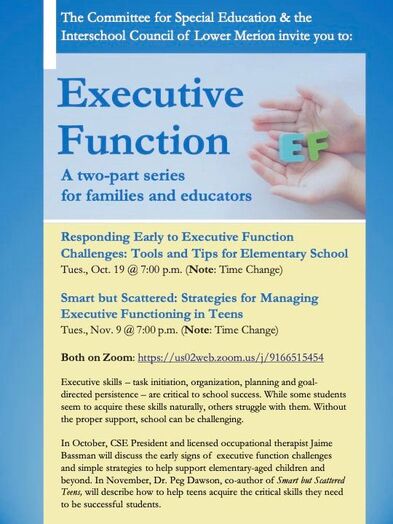
Part 1 of a 2 Part Series on Executive Function
Tues., Oct. 19 @ 7:00 p.m.
Responding Early to Executive Function Challenges Part 1: Tools and Tips for Elementary School
Executive skills – task initiation, organization, planning and goal-directed persistence – are critical to school success. While some students seem to acquire these skills naturally, others struggle with them. Without the proper support, school can be challenging. CSE President and licensed occupational therapist Jaime Bassman will discuss the early signs of executive function challenges and simple strategies to help support elementary-aged children and beyond.
Link to the slides/presentation:
https://drive.google.com/file/d/1y3lLHz5E7Ea7VcYtCDBF8nb3qnh0eStA/view?usp=sharing
Link to the recording:
https://drive.google.com/file/d/19YsJpZGjoP6OP1MxVJoRKVr9VRW8vmvL/view?usp=sharing
Tues., Oct. 19 @ 7:00 p.m.
Responding Early to Executive Function Challenges Part 1: Tools and Tips for Elementary School
Executive skills – task initiation, organization, planning and goal-directed persistence – are critical to school success. While some students seem to acquire these skills naturally, others struggle with them. Without the proper support, school can be challenging. CSE President and licensed occupational therapist Jaime Bassman will discuss the early signs of executive function challenges and simple strategies to help support elementary-aged children and beyond.
Link to the slides/presentation:
https://drive.google.com/file/d/1y3lLHz5E7Ea7VcYtCDBF8nb3qnh0eStA/view?usp=sharing
Link to the recording:
https://drive.google.com/file/d/19YsJpZGjoP6OP1MxVJoRKVr9VRW8vmvL/view?usp=sharing
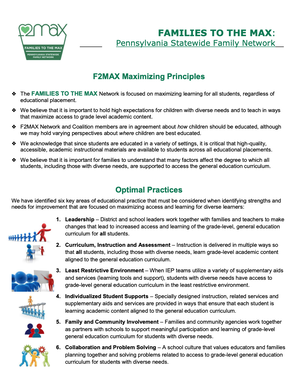
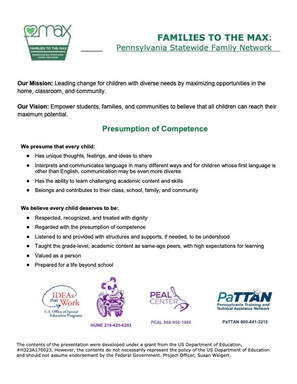
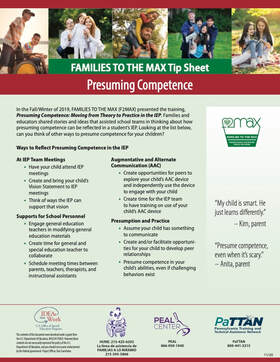
Collaboration on School Teams That Make A Difference
Speaker: Peal Center
Date: Tuesday, Sept 28, 2021 @ 7:30p
Link to the recording (without questions):
https://drive.google.com/file/d/1SvBLWJgVnxgc8ABfAFOHxJWvGVJ7qfRo/view?usp=sharing
Links to the Slide Presentation, click here.
Handouts from the presentation (click on each for links to view full screen or to download):
Speaker: Peal Center
Date: Tuesday, Sept 28, 2021 @ 7:30p
Link to the recording (without questions):
https://drive.google.com/file/d/1SvBLWJgVnxgc8ABfAFOHxJWvGVJ7qfRo/view?usp=sharing
Links to the Slide Presentation, click here.
Handouts from the presentation (click on each for links to view full screen or to download):
|
|
Previous YEAR:
2020-2021 Educational Series
Alternatives to Guardianship for Adults (18+) with Disabilities
Wednesday, April 7th at 7:00-8:15 pm
This program was not recorded, but the slides from the presentation are available here.
Understanding guardianship is a complicated new frontier for those with children managing highly complex disabilities who are nearing transition age (14+). Guardianship is considered to be the most restrictive form of substitute decision making for the ward, because a guardian can substitute their will for their ward's, making most personal decisions on behalf of their ward. However, there are less restrictive alternatives, especially for persons who have loving families or friends willing to help them.
In partnership with the Judith Creed Horizons for Achieving Independence (JCHAI), the CSE is delighted to co-host this session on Guardianship on Tues., April 7, 2021 at 7:00 pm. This hot topic is specific to Montgomery County and relevant to caregivers especially of those at transition age.
Our presenters from Disability Rights PA (DRP) and JCHAI are field experts who will be able to provide specific local examples for families and caregivers. Join us for a 45 minute presentation followed by 15-30 minutes of Q&A.
Wednesday, April 7th at 7:00-8:15 pm
This program was not recorded, but the slides from the presentation are available here.
Understanding guardianship is a complicated new frontier for those with children managing highly complex disabilities who are nearing transition age (14+). Guardianship is considered to be the most restrictive form of substitute decision making for the ward, because a guardian can substitute their will for their ward's, making most personal decisions on behalf of their ward. However, there are less restrictive alternatives, especially for persons who have loving families or friends willing to help them.
In partnership with the Judith Creed Horizons for Achieving Independence (JCHAI), the CSE is delighted to co-host this session on Guardianship on Tues., April 7, 2021 at 7:00 pm. This hot topic is specific to Montgomery County and relevant to caregivers especially of those at transition age.
Our presenters from Disability Rights PA (DRP) and JCHAI are field experts who will be able to provide specific local examples for families and caregivers. Join us for a 45 minute presentation followed by 15-30 minutes of Q&A.
Fitness for ALL Kids!
Tuesday, March 23 @ 7:30p
Click here for the recording of the session.
After more than a year in this pandemic, many families continue to look for ways to add more exercise into their kids’ days, especially for those who need movement to help manage sensory needs, anxiety, and overall mental wellness.
For our March meeting, we are pleased to welcome Pete Phillips of Full Spectrum Fitness. An expert on fitness for special needs kids, Pete will share ideas for integrating more movement and exercise into our kids' routines. In particular, he’ll cover:
Get ready to try some exercise and activities that are simple, meaningful and attainable so sign on where you have some space to get moving!
To learn more about our speaker, visit www.fspectrumfit.com.
Tuesday, March 23 @ 7:30p
Click here for the recording of the session.
After more than a year in this pandemic, many families continue to look for ways to add more exercise into their kids’ days, especially for those who need movement to help manage sensory needs, anxiety, and overall mental wellness.
For our March meeting, we are pleased to welcome Pete Phillips of Full Spectrum Fitness. An expert on fitness for special needs kids, Pete will share ideas for integrating more movement and exercise into our kids' routines. In particular, he’ll cover:
- Planning – how to individualize exercise for your student.
- Implementing – how to MOTIVATE them to get moving.
- Reflecting – how to adjust a program to fit your student.
Get ready to try some exercise and activities that are simple, meaningful and attainable so sign on where you have some space to get moving!
To learn more about our speaker, visit www.fspectrumfit.com.
Be Part of the PA Inclusion Collective:
A Four-Part Education Series Focused on Advancing Inclusion in Our Schools
Feb 3, Feb 10, Feb 17 and Feb 24 @ 6:00 pm
Do you have a child or a student who could benefit from more inclusive educational opportunities? Do you believe inclusion is critical to the success of students with diverse learning styles? If yes, then this education series is for you.
Every Wednesday in February at 6:00 pm, join us for 4 innovative sessions conducted by three foremost experts in inclusive schooling. This series is designed to help parents and caregivers, teachers, therapists, and administrators to learn how we can move together toward greater inclusion in our schools.
A Four-Part Education Series Focused on Advancing Inclusion in Our Schools
Feb 3, Feb 10, Feb 17 and Feb 24 @ 6:00 pm
Do you have a child or a student who could benefit from more inclusive educational opportunities? Do you believe inclusion is critical to the success of students with diverse learning styles? If yes, then this education series is for you.
Every Wednesday in February at 6:00 pm, join us for 4 innovative sessions conducted by three foremost experts in inclusive schooling. This series is designed to help parents and caregivers, teachers, therapists, and administrators to learn how we can move together toward greater inclusion in our schools.
Webinar: Mindfulness & Beyond
Thursday, January 7, 2021 @ 7:30p
This meeting offers multiple tools and resources (click below):
At last, 2021! We are excited to kick off the New Year with a focus on mindset. What is mindfulness? What tools can we use for our children and ourselves throughout each day? How can we improve our social and emotional well-being?
Join us as we journey with Stacey Mandel, Mindfulness Expert, who will talk about the background of mindfulness and provide data that supports the practice in our everyday lives. Stacey will also offer some experiential tools for us to try to meet our everyday challenges in a healthy and positive way.
For this session, we encourage you to think about how mindfulness can help your family so bring your questions. We will have an open-forum format allowing for comments and conversation.
Thursday, January 7, 2021 @ 7:30p
This meeting offers multiple tools and resources (click below):
- Recording of the webinar
- Presentation Slides
- Handout
- Video by Dan Siegel - “Hand Model of the Brain” – helping kids understand what’s happening in our brains when we get emotional
At last, 2021! We are excited to kick off the New Year with a focus on mindset. What is mindfulness? What tools can we use for our children and ourselves throughout each day? How can we improve our social and emotional well-being?
Join us as we journey with Stacey Mandel, Mindfulness Expert, who will talk about the background of mindfulness and provide data that supports the practice in our everyday lives. Stacey will also offer some experiential tools for us to try to meet our everyday challenges in a healthy and positive way.
For this session, we encourage you to think about how mindfulness can help your family so bring your questions. We will have an open-forum format allowing for comments and conversation.
Webinar: Part 2 - But What If They Can?
Thursday, December 10th at 7:30 pm
This session was not recorded due to parent/child specific questions that were asked.
Last month, we welcomed Robin Pegg for an engaging presentation entitled, But What If They Can, which highlighted the inspiring stories of individuals using technology to overcome the barriers of their disabilities. If you missed the first presentation, the link is below.
For Part 2, let’s talk about your child. Assistive Technology can have enormous benefits for children with disabilities but many parents do not know where to begin. For Part 2, join us for an Open Forum with Robin to receive guidance and ideas on the ways that technology can address your child’s specific needs. You can:
Thursday, December 10th at 7:30 pm
This session was not recorded due to parent/child specific questions that were asked.
Last month, we welcomed Robin Pegg for an engaging presentation entitled, But What If They Can, which highlighted the inspiring stories of individuals using technology to overcome the barriers of their disabilities. If you missed the first presentation, the link is below.
For Part 2, let’s talk about your child. Assistive Technology can have enormous benefits for children with disabilities but many parents do not know where to begin. For Part 2, join us for an Open Forum with Robin to receive guidance and ideas on the ways that technology can address your child’s specific needs. You can:
- Ask about resources that Robin recommends for your child’s teachers and team.
- Discuss supports/technologies that work well in virtual learning.
- Get more information about the tools Robin introduced previously.
- Ask about resources that Robin recommends for your child’s teachers and team.
- Discuss supports/technologies that work well in virtual learning.
- Get more information about the tools Robin introduced previously.
Webinar: Part 1 - But What If They Can?
Thursday, November 12, 2020 at 7:30pm
Recorded: To view this meeting , click here and to view slides here.
Description:
But What if They Can? is not just about creating opportunities, it's about changing perspectives. Join Robin Pegg, a nationally recognized expert in Assistive Technology, in a conversation that will challenge how you think about “people with disabilities”. We will talk about why words, thoughts, and perceptions have the potential to be bigger barriers than ANY environmental factor. Robin will share stories and examples of kids and young adults who are using technology to conquer not only the barriers the world presents but those monstrous barriers of perception. Finally, we will discuss how each of YOU has infinite power to change the world by changing perspective, often by simply posing the question: But what if they can?
Learning objectives:
1. Participants will be able to discuss the relationship of perception to opportunity
2. Participants will be able to identify TWO sources of digital text
3. Participants will be able to identify TWO communication supports
Part 2: Back to School Edition -
Managing Your Student's IEP/GIEP/504 Plan in COVID-19
Thursday, October 8, 2020 @ 7:00p
Recorded: To view this meeting , click here.
Description:
With the school year now underway, students with IEPs/GIEP/504 Plans continue to adjust and adapt to new routines that may or may not align with their goals and needs. For many families, the return to school raises new questions about service delivery and evaluations/reevaluations while trying to determine the right accommodations for their students.
To continue the conversation we started in early September, the Committee for Special Education will hold “Managing Your Student’s IEP/GIEP/504 Plan in COVID-19 – Back to School Edition.” For this session, we welcome Judith A. Gran, a leading attorney in the field of special education law to address your questions and concerns about your student’s IEP rights in practice, given the current environment. Compensatory education, 1:1’s and digital learning plans will be discussed.
Managing Your Student's IEP/GIEP/504 Plan in COVID-19
Thursday, October 8, 2020 @ 7:00p
Recorded: To view this meeting , click here.
Description:
With the school year now underway, students with IEPs/GIEP/504 Plans continue to adjust and adapt to new routines that may or may not align with their goals and needs. For many families, the return to school raises new questions about service delivery and evaluations/reevaluations while trying to determine the right accommodations for their students.
To continue the conversation we started in early September, the Committee for Special Education will hold “Managing Your Student’s IEP/GIEP/504 Plan in COVID-19 – Back to School Edition.” For this session, we welcome Judith A. Gran, a leading attorney in the field of special education law to address your questions and concerns about your student’s IEP rights in practice, given the current environment. Compensatory education, 1:1’s and digital learning plans will be discussed.
Part 1: Back to School Edition -
Managing Your Student’s IEP/504 Plan in COVID-19
Wednesday, Sept 2, 2020 @ 7p.
Recorded: To view this meeting , click here.
Description:
Right now, families and guardians are navigating murky waters when it comes to their students’ rights and the school district’s responsibilities to fulfill IEPs, 504 plans and FAPE. Delivery of services, requirements for data collection, uncertainty around evaluations/reevaluations and accommodations for the virtual environment are some of the areas where parents need clarity and guidance from a legal and advocacy standpoint. To address these needs, the Committee for Special Education will host a two-part education program on “Managing Your Student’s IEP/504 Plan in COVID-19.”
For our first session, we welcome Michael Connolly, Supervising Partner of Special Education at the McAndrews Law Offices, and Maria Vetter, Advocate and Co-Founder of Raffaele & Associates, for a panel discussion to answer some of the many questions during these challenging times.
Managing Your Student’s IEP/504 Plan in COVID-19
Wednesday, Sept 2, 2020 @ 7p.
Recorded: To view this meeting , click here.
Description:
Right now, families and guardians are navigating murky waters when it comes to their students’ rights and the school district’s responsibilities to fulfill IEPs, 504 plans and FAPE. Delivery of services, requirements for data collection, uncertainty around evaluations/reevaluations and accommodations for the virtual environment are some of the areas where parents need clarity and guidance from a legal and advocacy standpoint. To address these needs, the Committee for Special Education will host a two-part education program on “Managing Your Student’s IEP/504 Plan in COVID-19.”
For our first session, we welcome Michael Connolly, Supervising Partner of Special Education at the McAndrews Law Offices, and Maria Vetter, Advocate and Co-Founder of Raffaele & Associates, for a panel discussion to answer some of the many questions during these challenging times.
previous year: 2019-20 EDUCATIONAL SERIES
Planning for the Future: Special Needs Trusts & Financial Planning
Wednesday, February 5, 2020 @ 7pm
Description:
Planning for the future begins now, especially when you have a loved one with special needs. Whatever financial situation or the age of your child, this information is essential to protect your loved one’s financial future. Please join us as we discuss:
• Guardianship and Power of Attorney
• The ABLE Act and Special Needs Trusts
• Government Benefits
• Retirement Planning
• Life Insurance Planning
• Planning for Siblings without Special Needs
• Letters of Intent
• Pension Planning
• Tax-Reduction Strategies
• Education Funding
Speakers: Steve Potts, Partner at Herr, Potts and Potts and Pat Bergmaier, 1847 Financial (click for bios)
Wednesday, February 5, 2020 @ 7pm
Description:
Planning for the future begins now, especially when you have a loved one with special needs. Whatever financial situation or the age of your child, this information is essential to protect your loved one’s financial future. Please join us as we discuss:
• Guardianship and Power of Attorney
• The ABLE Act and Special Needs Trusts
• Government Benefits
• Retirement Planning
• Life Insurance Planning
• Planning for Siblings without Special Needs
• Letters of Intent
• Pension Planning
• Tax-Reduction Strategies
• Education Funding
Speakers: Steve Potts, Partner at Herr, Potts and Potts and Pat Bergmaier, 1847 Financial (click for bios)
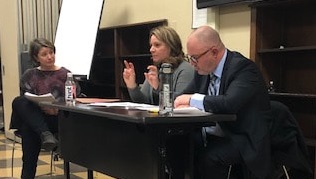
Planning for Extended School Year (ESY)
Tuesday, January 21, 2020 @ 7:00
Description:
For many families, the new year brings thoughts of summer and how their student will continue making progress on their academic and developmental goals. Planning for Extended School Year (ESY) raises several questions about what’s required, how students qualify, and how you can best advocate for your student and their unique learning differences.
For this meeting, the Committee for Special Education is delighted to welcome Michael Connolly, Supervising Partner of Special Education at the McAndrews Law Offices, and Maria Vetter, Advocate and Co-Founder of Raffaele & Associates, for an open discussion where you can hear from their experience and learn answers to these questions and more.
View files from this meeting:
Tuesday, January 21, 2020 @ 7:00
Description:
For many families, the new year brings thoughts of summer and how their student will continue making progress on their academic and developmental goals. Planning for Extended School Year (ESY) raises several questions about what’s required, how students qualify, and how you can best advocate for your student and their unique learning differences.
For this meeting, the Committee for Special Education is delighted to welcome Michael Connolly, Supervising Partner of Special Education at the McAndrews Law Offices, and Maria Vetter, Advocate and Co-Founder of Raffaele & Associates, for an open discussion where you can hear from their experience and learn answers to these questions and more.
View files from this meeting:
Transition: Planning for Life After High School
December 12, 2019 @ 9:30a
Just when you thought you had the world of IEPs and 504s figured out, your child has (almost) grown up! Don’t know where to begin planning for what’s next?
Please join us for a panel discussion that will cover options for students with IEPs and 504s as they prepare for life after high school.
The panelists will include:
• Helene Scott, Transition Coordinator, LMSD
• Kris Koberlein, Project Consultant, MCIU
• Rachel Sobel, Educational Consultant, College Possibilities
• Gregory Hannah, Assistant Director, Office of Disability Services, Villanova University
• Amy McCann, Program Director, Carousel Connections
December 12, 2019 @ 9:30a
Just when you thought you had the world of IEPs and 504s figured out, your child has (almost) grown up! Don’t know where to begin planning for what’s next?
Please join us for a panel discussion that will cover options for students with IEPs and 504s as they prepare for life after high school.
The panelists will include:
• Helene Scott, Transition Coordinator, LMSD
• Kris Koberlein, Project Consultant, MCIU
• Rachel Sobel, Educational Consultant, College Possibilities
• Gregory Hannah, Assistant Director, Office of Disability Services, Villanova University
• Amy McCann, Program Director, Carousel Connections
Understanding the Neuropsychological Evaluation
October 29, 2019 @ 7p
Many families of children with special learning needs have been told by a physician or other specialist that their child may benefit from a neuropsychological or “neuropsych” evaluation.
The goal of this presentation is to give the audience an introduction to the field of neuropsychology and describe the role of the neuropsychologist. Our aims are to provide an overview of what the goals of such an evaluation might be, what kinds of referrals we see, and what families can expect from the evaluation process. We also aim to explain the differences and similarities between a school-based evaluation and a private neuropsychological evaluation.
Our presenters have experience with children with all types of medical, genetic, developmental and psychiatric diagnoses and in both hospital based and private practice settings. We will also include a panel of parents whose children have been through the process of neuropsychological evaluation in order to better understand the patient experience and perspective.
Speakers: Dr. Lauren Krivitzky, CHOP and Dr. Emily Perlis, Private Practice
October 29, 2019 @ 7p
Many families of children with special learning needs have been told by a physician or other specialist that their child may benefit from a neuropsychological or “neuropsych” evaluation.
The goal of this presentation is to give the audience an introduction to the field of neuropsychology and describe the role of the neuropsychologist. Our aims are to provide an overview of what the goals of such an evaluation might be, what kinds of referrals we see, and what families can expect from the evaluation process. We also aim to explain the differences and similarities between a school-based evaluation and a private neuropsychological evaluation.
Our presenters have experience with children with all types of medical, genetic, developmental and psychiatric diagnoses and in both hospital based and private practice settings. We will also include a panel of parents whose children have been through the process of neuropsychological evaluation in order to better understand the patient experience and perspective.
Speakers: Dr. Lauren Krivitzky, CHOP and Dr. Emily Perlis, Private Practice
CSE Fall Meeting & Social
October 15, 2019 @ 7P Meeting; 8p Social
Come to our fall social/meeting to learn more about the CSE, hear an update on our recent activities, and meet other caregivers of children with GIEP's, IEP's and 504s.
Beverages will be provided, pastries will be available for sale.
October 15, 2019 @ 7P Meeting; 8p Social
Come to our fall social/meeting to learn more about the CSE, hear an update on our recent activities, and meet other caregivers of children with GIEP's, IEP's and 504s.
Beverages will be provided, pastries will be available for sale.